
A wholesale finger sleeve vibrator is not the flashiest SKU in an adult wellness line, and that is exactly why it can work for a first private label test. The shape is compact, the mold risk is lower, packaging stays manageable, and buyers can learn how their channel reacts before paying for a custom mold.
Many new buyers start with a product idea that looks good in a sketch or a screenshot. The hard part comes later: tooling cost, sample changes, silicone feel, motor position, packaging approval, certification wording, and MOQ. A stock mold does not remove every risk, but it gives the buyer a smaller field to test. For a small launch, that can be the difference between a controlled first order and a project that stalls before production.
stock mold first is not a weak choice
Some buyers treat stock molds as a compromise. That is not always fair. A stock mold can be the right first step when the buyer needs market feedback, not a completely unique shape. The supplier already knows how the product comes out of the mold, where the motor fits, how the silicone behaves, and which packaging options are realistic.
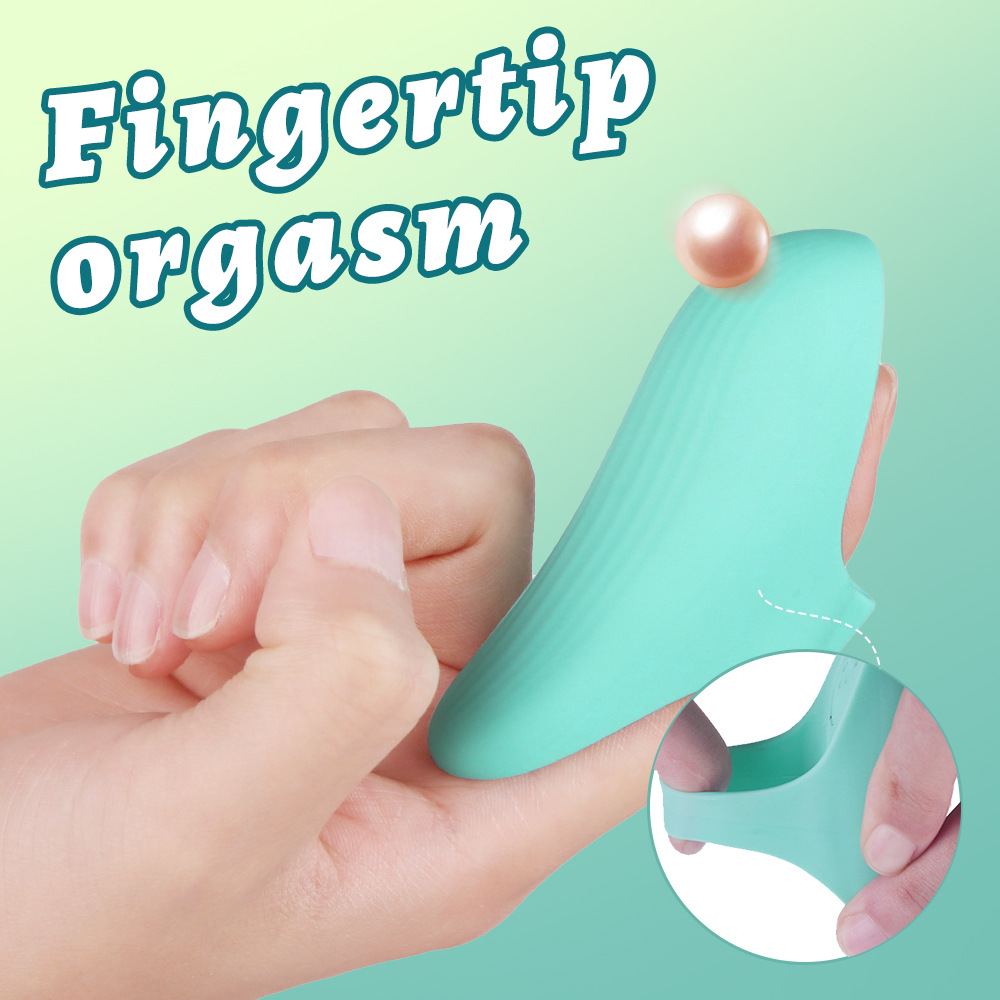
For a wholesale finger sleeve vibrator, the buyer can focus on practical approval work: fit on the finger, sleeve stretch, silicone thickness, button access, vibration feel, charging or battery details, logo position, and package wording. Those checks matter more than a new shape if the brand has not yet proven demand.
new molds make sense only after the buyer knows the brief
A custom mold is useful when the buyer has a clear product reason for it. Maybe the sleeve needs a different grip, a longer contact area, a new charging layout, or a shape that matches a broader product line. If the brief is still vague, a new mold can turn uncertainty into tooling cost.
Before asking for a custom mold, write down what the current stock model cannot do. If the answer is only that the buyer wants something different, the project may need more market testing first. If the buyer can name the exact fit problem, size issue, or packaging limitation, the factory has a better chance of quoting the custom work accurately.
| decision point | stock mold route | custom mold route |
|---|---|---|
| first order risk | Lower cost and faster sample review | Higher cost before market feedback |
| product shape | Existing shape with logo, color, or packaging options | New shape based on drawings, samples, or 3D files |
| MOQ | Often easier to discuss for a trial order | Usually higher because tooling and material planning change |
| approval work | Focus on feel, function, packaging, and claim wording | Also needs mold samples, revisions, and extra fit checks |
comfort checks should come before logo work
A finger sleeve product has to feel stable in normal handling. Buyers should check finger opening size, sleeve stretch, silicone edge, grip texture, button reach, and whether the motor housing makes the product feel unbalanced. A logo sample is useful, but it should not come before the buyer knows the base product is acceptable.
Ask several testers on the buying team to handle the sample, even if the final product is not used in a full consumer test. The goal is simple: find whether the sleeve feels too tight, too loose, too slippery, or awkward to control. These issues are easier to fix before the package, manual, and online listing are approved.
packaging can make a small SKU look better or cheaper
Small products are sensitive to packaging decisions. A thin box can make the product look low value. A box that is too large can make the item feel empty or overpriced. The tray, manual, cable or battery note, barcode, warning text, and importer details all need space without making the layout look crowded.
For a stock mold private label order, ask for at least two packaging options if budget allows. One can be a simple stock box with a sticker or sleeve. The other can be a printed box with a clearer product photo. Compare the cost, MOQ, and presentation before deciding. A better box is useful only if the first order can absorb the minimum quantity.
claim wording should stay conservative
Finger sleeve products often invite broad claims because they are small and easy to market. Buyers should be careful with words like medical grade, body safe, waterproof, silent, and therapeutic. Use claims the supplier can support for the exact model and the target market. If documents are not ready, keep the package text plain.
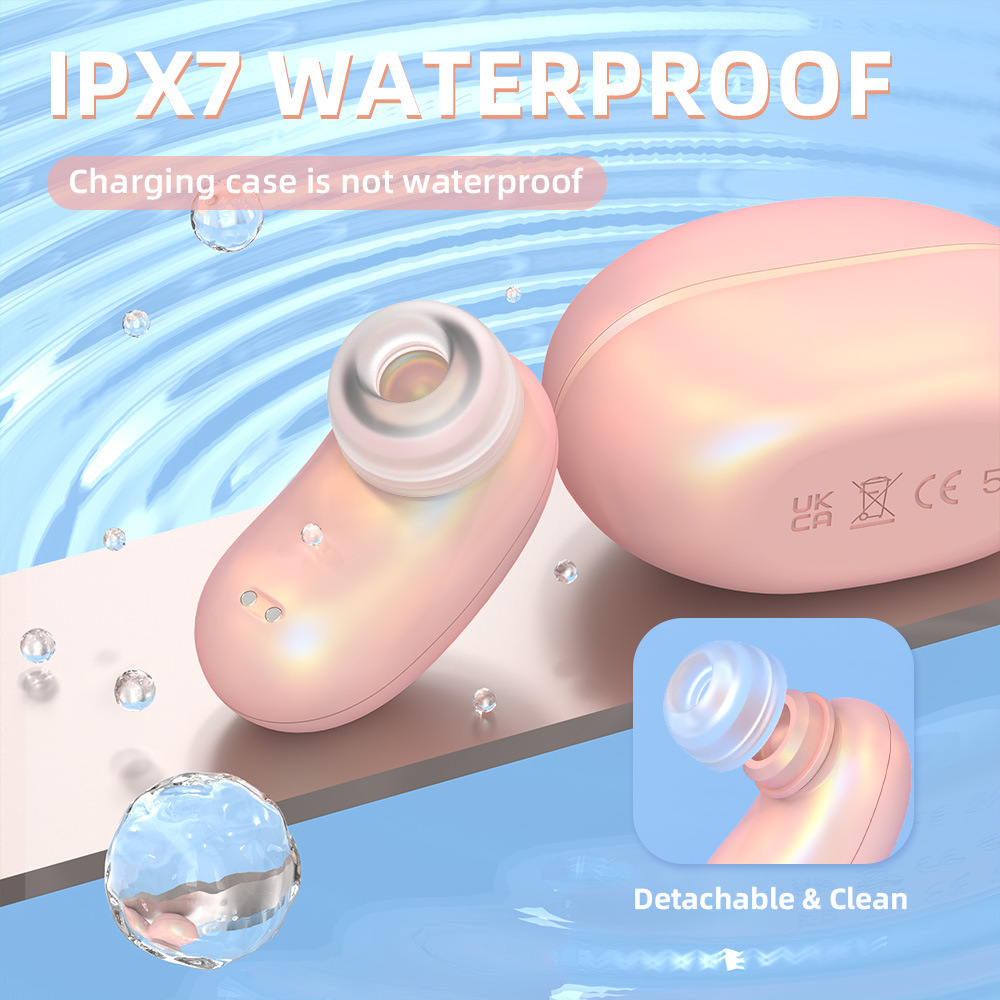
Cleaning instructions also need attention. If the product has a motor, battery compartment, magnetic charging area, or seam line, the manual should explain what can be rinsed and what should stay dry. A vague waterproof claim can create returns, complaints, or marketplace problems later.
sample cost is part of the real MOQ discussion
Buyers often compare MOQ numbers before they compare sample work. That can be misleading. A low MOQ with weak sample support may cost more in the end if the buyer has to redo packaging or change claims after production starts. A slightly higher MOQ can be easier to accept when the supplier provides a clear stock sample, logo sample, packed sample, and final pre shipment check.
For a wholesale finger sleeve vibrator, separate the quote into four parts: stock sample, logo or color sample, packaging sample, and bulk order. This makes the real project cost easier to understand. It also helps the buyer decide whether to launch with a stock look first or wait for fuller private label packaging.
when a first SKU is ready for launch
A first SKU is ready when the buyer can approve the product without guessing. That means the sample feels right, the motor or battery setup is clear, the packaging holds the product well, the manual matches the real item, and the claims are safe for the sales channel. It does not mean every detail is perfect.
A stock mold product can still build useful brand learning. The buyer sees which price point works, which color sells, which package gets fewer questions, and whether customers care enough about the category to justify a later custom mold. That is better than spending tooling money before the channel has answered basic demand questions.
buyer checklist before approval
- Confirm the stock mold solves the first launch need before asking for a new mold.
- Check finger opening size, sleeve stretch, button access, and motor balance.
- Review silicone edge, surface finish, lint pickup, and seam visibility.
- Compare simple stock packaging with a printed private label box.
- Keep waterproof, quiet, material, and wellness claims close to what documents support.
- Separate stock sample, logo sample, packed sample, and bulk order pricing.
faq
is a stock mold product suitable for a private label launch?
Yes, if the buyer needs a lower risk first order and can accept the existing shape. Logo, color, package, and manual changes may still create enough brand difference for a trial launch.
when should buyers pay for a custom mold?
Pay for a custom mold when the buyer has a clear product requirement that the stock mold cannot meet, such as shape, fit, charging layout, or a line-wide design system.
what should be approved before MOQ?
Approve the base sample, logo or color sample, packed sample, claim wording, and shipping requirements before locking the MOQ and production schedule.
For buyers testing compact private label SKUs, this finger sleeve vibrator sample is a practical reference. Check fit, silicone feel, motor control, packaging options, and claim wording before deciding whether a stock mold is enough for the first order.