
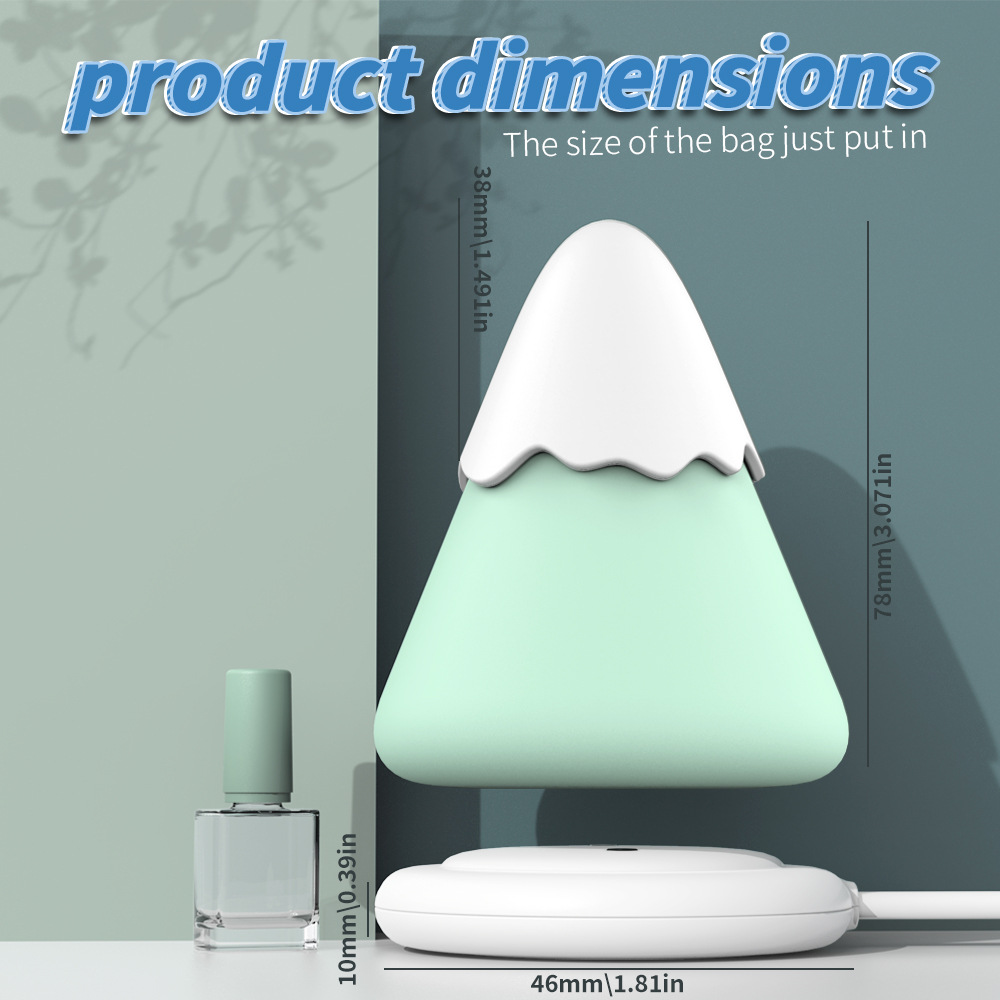
A wholesale clitoral suction stimulator with ambient light can look more retail ready than a plain model. The light makes product photos cleaner, helps the SKU stand apart on a product page, and gives a private label buyer something easy to describe. It also adds a few checks that buyers often miss until the packed sample arrives.
The light feature affects the shell, charging area, manual, tray, box photo, and product claims. If the sample looks good only when it is loose on a desk, the buyer has not finished the approval work. A packed sample needs to show whether the light is visible through the display angle, whether the shell picks up scratches, and whether the insert presses against the button or charging port.
ambient light changes the sample brief
For a simple product, a buyer may approve shape, motor feel, surface finish, and packaging. A lighted product needs another layer of review. The buyer should check light color, brightness, switch logic, battery behavior, and whether the light still looks clean after the product is placed in the tray.
For a wholesale clitoral suction stimulator, the light should support the retail position without creating claims the buyer cannot prove. If the product is described as discreet, check whether the light can be turned off or whether the package copy needs softer wording. If the light is meant to be decorative, keep the claim simple and avoid suggesting a functional benefit that has not been tested.
the shell and tray need to be approved together
Ambient light usually depends on shell thickness and material clarity. A shell that diffuses light well may also show fingerprints, dust, small scratches, or pressure marks. That matters when the product sits inside a molded tray or a tight clear bag. The packaging can make the product look better, or it can make every small mark easier to see.
Ask for a packed sample that uses the same tray material planned for production. Open it under normal room light, not only studio light. Check whether the product sits straight, whether the light area is hidden by the tray, and whether the button or charging contact is pressed by the insert. These are small checks, but they decide whether the product looks ready for retail.
| approval point | what to check | why buyers should care |
|---|---|---|
| light visibility | Color, brightness, switch logic, and display angle inside the tray | The feature must still read clearly after packing |
| shell finish | Scratches, fingerprints, seam line, and dust pickup | Lighted shells can expose small cosmetic problems |
| charging area | Magnetic contacts, cable fit, indicator behavior, and manual wording | Charging confusion leads to returns and support tickets |
| box artwork | Product photo, light claim, warning text, barcode space, and importer details | The package must match what the sample can prove |
charging notes should be plain
Many compact suction products use magnetic charging. Buyers should check whether the cable sits firmly, whether the indicator light is clear, and whether the manual explains charging time without making risky battery claims. The package should also show whether the cable is included and how it is packed.
If the product has an ambient light and a charging indicator, make sure the manual does not confuse the two. A customer should know which light means charging and which light is part of the product feature. This sounds basic, but small instruction problems are common when a supplier reuses manual text from another model.
private label photos can mislead the buyer
A lighted product can look better in a dark product photo than it does on a shelf or marketplace thumbnail. Buyers should ask for photos in three conditions: neutral room light, darker background, and the actual retail box layout. This gives the buyer a more honest view of how much the ambient light matters.
Do not approve custom box artwork only from a rendered product image. Use a real packed sample photo when possible. If the buyer needs a fast launch, approve a simpler photo and safer wording first, then improve the image set after the first order proves the channel demand.
claims should stay close to the sample
Words such as body safe, waterproof, whisper quiet, medical grade, and long battery life need care. If the supplier can provide documents for the target market, the buyer can review them. If not, keep the claims narrower. For a light feature, words like ambient light, soft glow, or lighted design are usually easier to support than claims about mood, sleep, therapy, or performance.
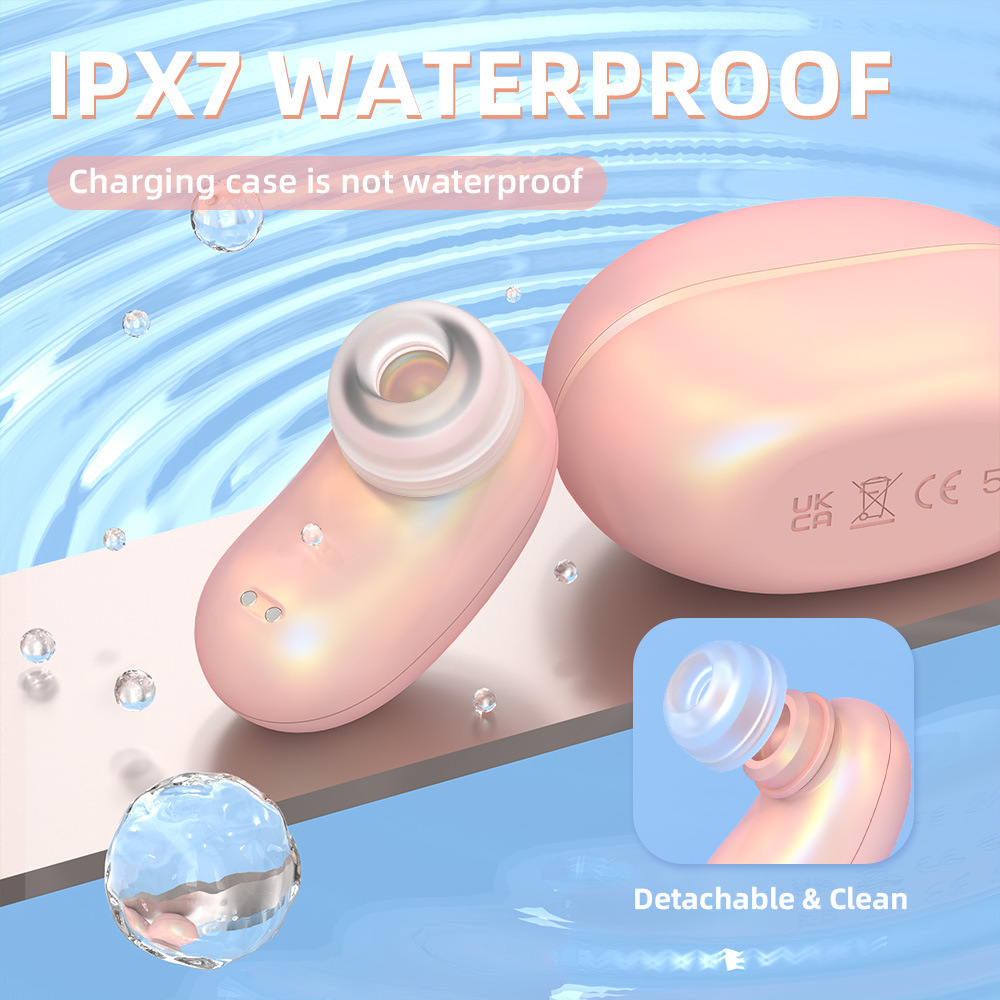
The same logic applies to waterproof language. If the suction head, shell, and charging contact have different cleaning limits, the manual should say so plainly. Buyers should not print a broad waterproof claim unless the rating, test condition, and intended cleaning method all match.
MOQ can change after the light color is chosen
Custom light color, shell color, logo printing, printed box, and custom insert can each affect MOQ. A buyer may think the order is still a small private label run, while the supplier is already pricing several custom parts. The cleanest way to avoid confusion is to separate stock sample approval from custom appearance approval.
For a wholesale clitoral suction stimulator, ask for a quotation at three stages: stock model with stock package, logo or sticker sample, and fully packed private label sample. This makes the MOQ discussion more useful because everyone can see which change increases the minimum order.
pre shipment checks for lighted products
Before shipment, ask the factory to open one packed sample from the finished batch and show the light, suction function, charging indicator, cable, manual, and box label. This does not replace formal inspection, but it catches obvious mismatches before the cartons leave.
Buyers should also check whether the export carton compresses retail boxes. A product with a polished shell and light window can arrive looking less clean if the retail box is bent or the tray presses too tightly. Packaging approval should include the inner tray and the outer carton, not just the printed box surface.
buyer checklist before approval
- Check ambient light color, brightness, switch logic, and visibility inside the tray.
- Review shell finish for scratches, seam lines, fingerprints, and pressure marks.
- Confirm charging cable fit, indicator behavior, and manual wording.
- Use real packed sample photos before approving box artwork.
- Keep light, quiet, waterproof, and battery claims close to what the sample proves.
- Separate stock MOQ from logo, shell color, light color, insert, and printed box MOQ.
faq
should buyers approve ambient light from a product render?
No. A render can show the idea, but it cannot show shell marks, tray pressure, light visibility, or real charging behavior. Use a physical packed sample.
does a custom light color affect MOQ?
It can. Custom light color may involve different parts or supplier minimums. Ask for separate pricing for stock light color and custom light color.
what should be checked first, the suction function or the light?
Check the basic suction function first, then review the light, shell, charging area, and package together. A good light feature will not fix weak product approval.
For buyers comparing compact lighted SKUs, this hidden clitoral suction stimulator sample is a useful reference. Check the light, shell finish, charging instructions, tray fit, and package claims before moving into private label MOQ talks.