

Pelvic floor health has become an increasingly important topic in both women’s wellness and medical-adjacent consumer markets. For brands, distributors, and health-focused retailers, understanding the best device for pelvic floor tightening is essential for capturing demand in this fast-growing category.
Among all available solutions, kegel balls stand out as one of the most effective, scalable, and commercially viable options.
What Is the Best Device for Tightening the Pelvic Floor?
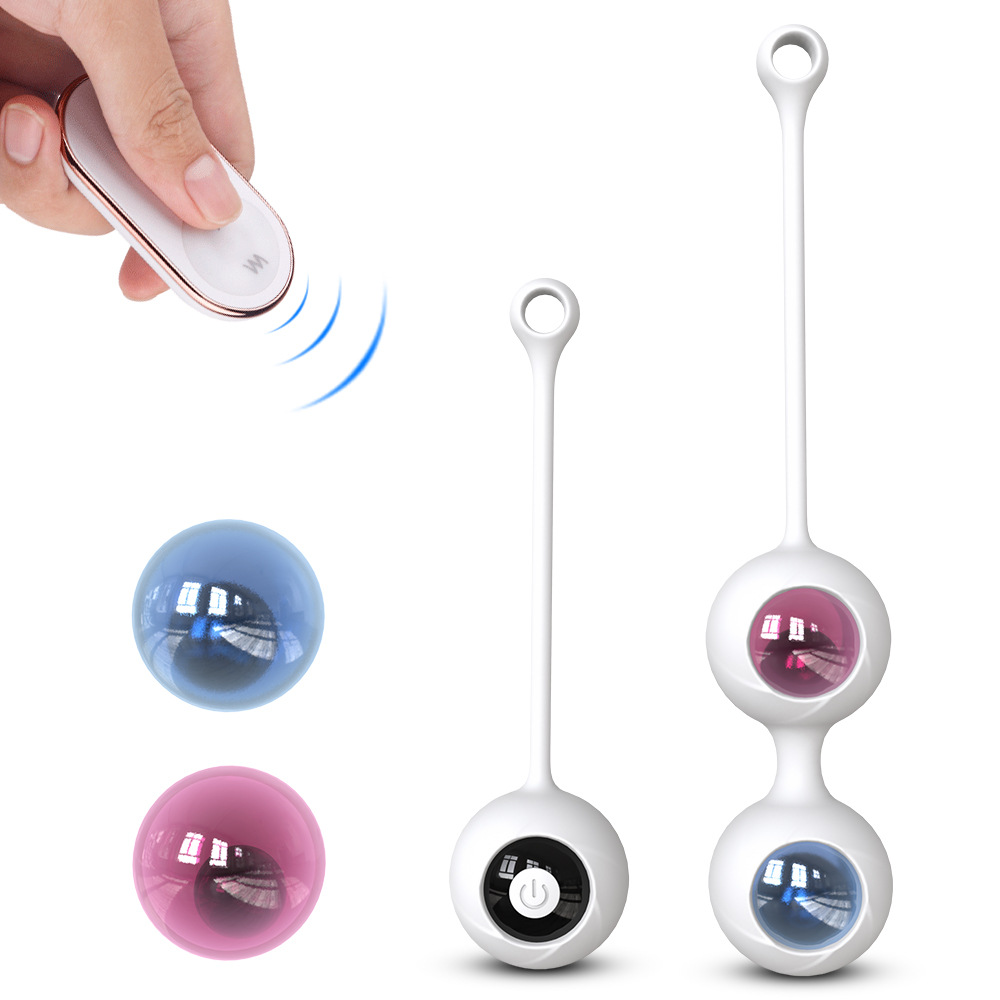
The most widely recommended and market-proven device for pelvic floor strengthening is kegel balls (also known as Ben Wa balls or pelvic trainers).
These devices are designed to:
- Engage pelvic floor muscles naturally
- Improve muscle tone through resistance
- Support long-term pelvic health
Compared to manual exercises alone, they provide consistent, measurable training benefits.
Why Pelvic Floor Strengthening Matters
Pelvic floor muscles play a critical role in:
- Bladder control
- Core stability
- Postpartum recovery
- Overall intimate wellness
Weak pelvic muscles can lead to:
- Reduced muscle tone
- Lack of control
- Decreased confidence
For consumers, this creates strong demand for easy-to-use, discreet training devices.
Why Kegel Balls Are the Best Device for Pelvic Floor Tightening
1. Passive & Active Training Combination
Unlike basic exercises, kegel balls allow:
- Passive engagement during daily activities
- Active training sessions for targeted strengthening
This dual approach increases effectiveness.
2. Progressive Resistance Design
High-quality kegel balls come in:
- Different weights
- Multiple sizes
- Adjustable configurations
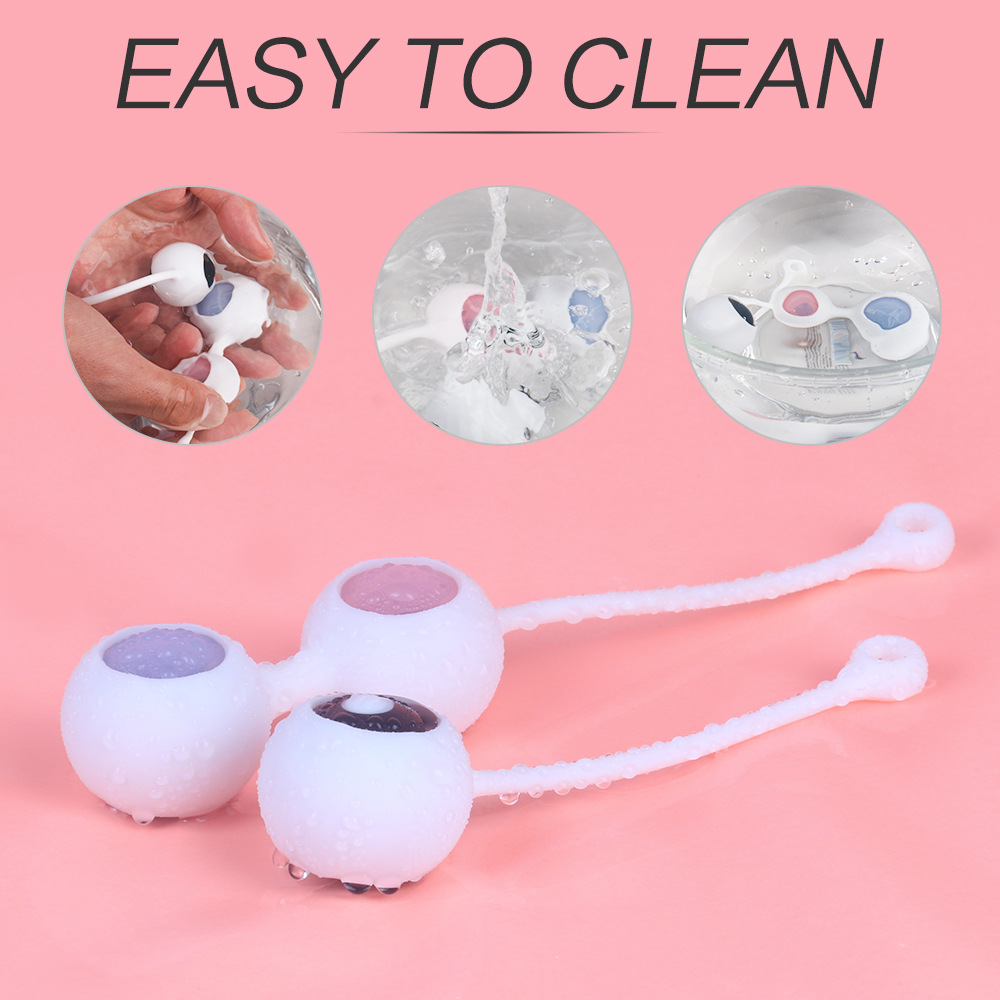
This allows users to gradually increase intensity, similar to fitness training.
3. Ease of Use for Beginners
Compared to electronic pelvic trainers, kegel balls are:
- Simple to use
- Non-intimidating
- Cost-effective
This makes them ideal for mass-market adoption.
4. Discreet and Portable
Modern designs focus on:
- Quiet internal movement
- Compact structure
- Travel-friendly storage
These features align with current consumer preferences for privacy and convenience.
Recommended Product Option
For brands and distributors seeking a competitive product, a well-designed solution like:
offers additional advantages:
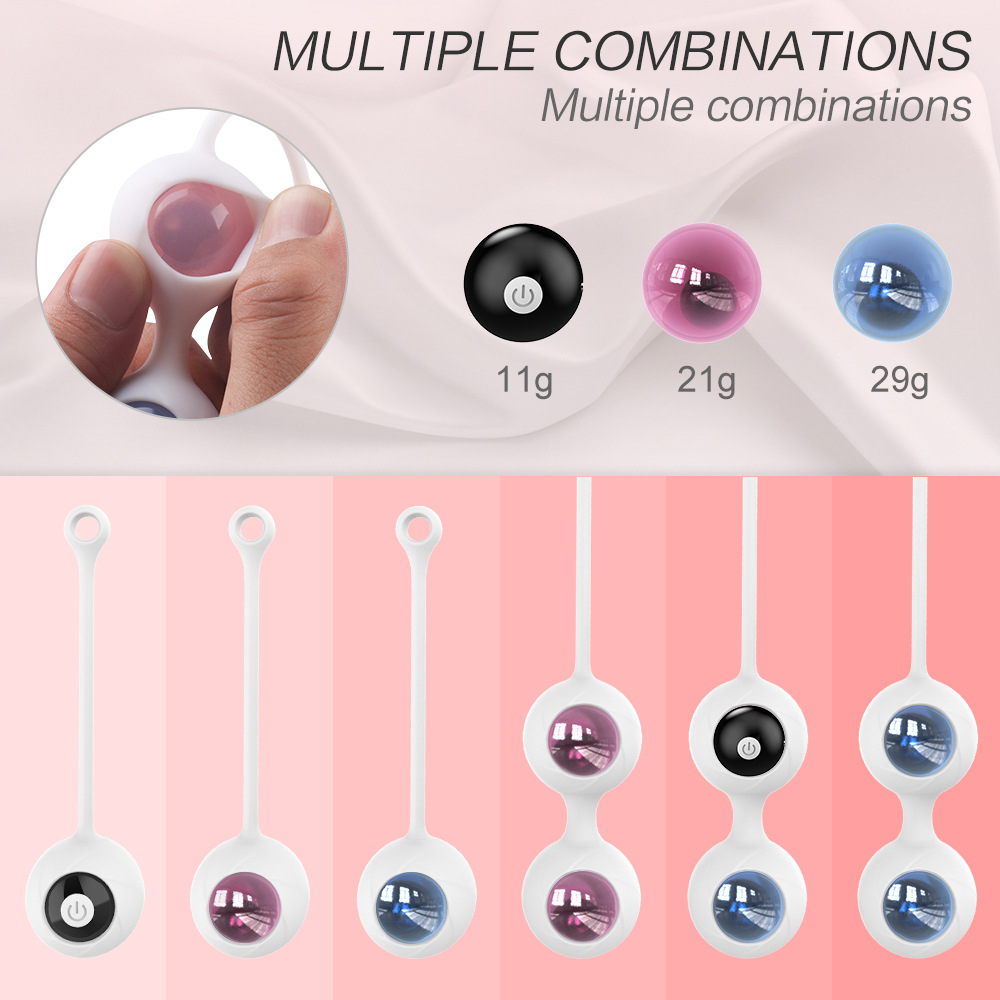
- Remote-controlled functionality
- Multiple vibration modes
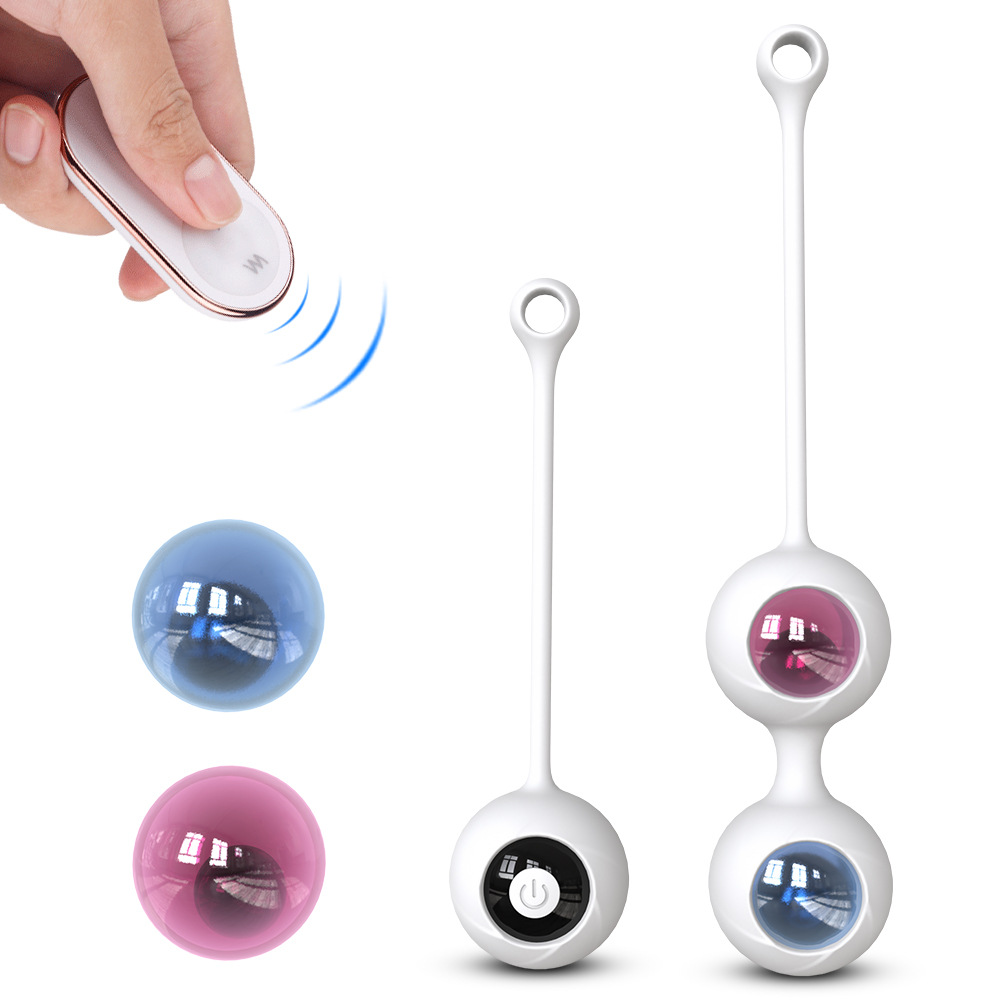
- Medical-grade silicone construction
- Rechargeable design
These features elevate the product from basic training to a premium wellness device, increasing perceived value and retail pricing potential.
ROI Analysis – Why Kegel Balls Are a High-Performing Category
From a B2B perspective, pelvic floor devices offer strong commercial benefits.
Key ROI Drivers
- High repeat purchase rate (progressive training needs)
- Broad audience (postpartum, fitness, wellness users)
- Premium positioning opportunities
- Low return rates due to simple structure
Kegel Balls vs Other Pelvic Floor Devices
| Factor | Kegel Balls | Electronic Trainers | Manual Exercises |
|---|---|---|---|
| Ease of Use | High | Medium | Low |
| Cost | Low–Mid | High | Free |
| Effectiveness | High | High | Variable |
| Accessibility | Very high | Medium | High |
| Maintenance | Low | Medium | None |
Key Insight:
Kegel balls strike the best balance between cost, usability, and effectiveness, making them the most scalable solution.
How to Use Kegel Balls Effectively
Step-by-Step Guide
- Start with lighter weight
Beginners should use smaller or lighter balls. - Insert comfortably
Ensure proper positioning using body-safe lubricant if needed. - Engage muscles gently
Contract pelvic muscles to hold the device in place. - Train in short sessions
Begin with 10–15 minutes per day. - Increase difficulty gradually
Move to heavier weights or longer sessions over time.
Expert Advice – Common Mistakes to Avoid
1. Starting Too Heavy
Using heavy weights too early can cause discomfort and reduce consistency.
2. Inconsistent Training
Pelvic floor strengthening requires regular practice, similar to fitness training.
3. Ignoring Hygiene
Proper cleaning and storage are essential for safety and product longevity.
Industry Standards & Product Quality Considerations
High-quality pelvic floor devices should meet:
- CE certification (European compliance)
- RoHS standards
- Medical-grade silicone requirements
- Waterproof ratings (IPX6/IPX7 preferred)
These standards ensure safety, durability, and regulatory acceptance.
Future Trends in Pelvic Floor Training Devices
The category is evolving toward:
- Smart app-connected trainers
- Remote-controlled devices
- Customizable resistance systems
- Wellness-focused branding
However, kegel balls remain the foundational product due to their simplicity and effectiveness.
FAQ: Pelvic Floor Tightening Devices
Q1: Are kegel balls effective for tightening the pelvic floor?
Yes, they are one of the most effective and widely recommended tools for strengthening pelvic muscles.
Q2: How long does it take to see results?
Most users notice improvement within 4–6 weeks with consistent use.
Q3: Are electronic pelvic trainers better?
They offer advanced features, but kegel balls are more accessible and easier for beginners.
Q4: Can beginners use kegel balls?
Yes, especially when starting with lighter weights and shorter sessions.
Q5: How often should they be used?
Daily use or at least 3–5 times per week is recommended for best results.
Understanding what is the best device for tightening the pelvic floor is key for both consumers and businesses. With strong demand, proven effectiveness, and scalable positioning, kegel balls remain the leading solution in this growing wellness category.