
In the adult wellness industry, product hygiene and maintenance are critical factors that directly influence user safety, product lifespan, and brand reputation. For distributors, retailers, and brands selling silicone-based devices, understanding how to clean silicone personal massagers correctly is essential for reducing return rates, preventing material damage, and ensuring long-term customer satisfaction.
Silicone personal massagers are widely used due to their body-safe properties, flexibility, and durability, but improper cleaning methods can compromise these advantages. This guide explains the correct cleaning process, common mistakes, and professional maintenance practices.
How to Clean Silicone Personal Massagers Properly
Silicone is a non-porous material, meaning it does not easily harbor bacteria when cleaned correctly. However, regular hygiene practices are still necessary to maintain safety and product integrity.
Basic Cleaning Process
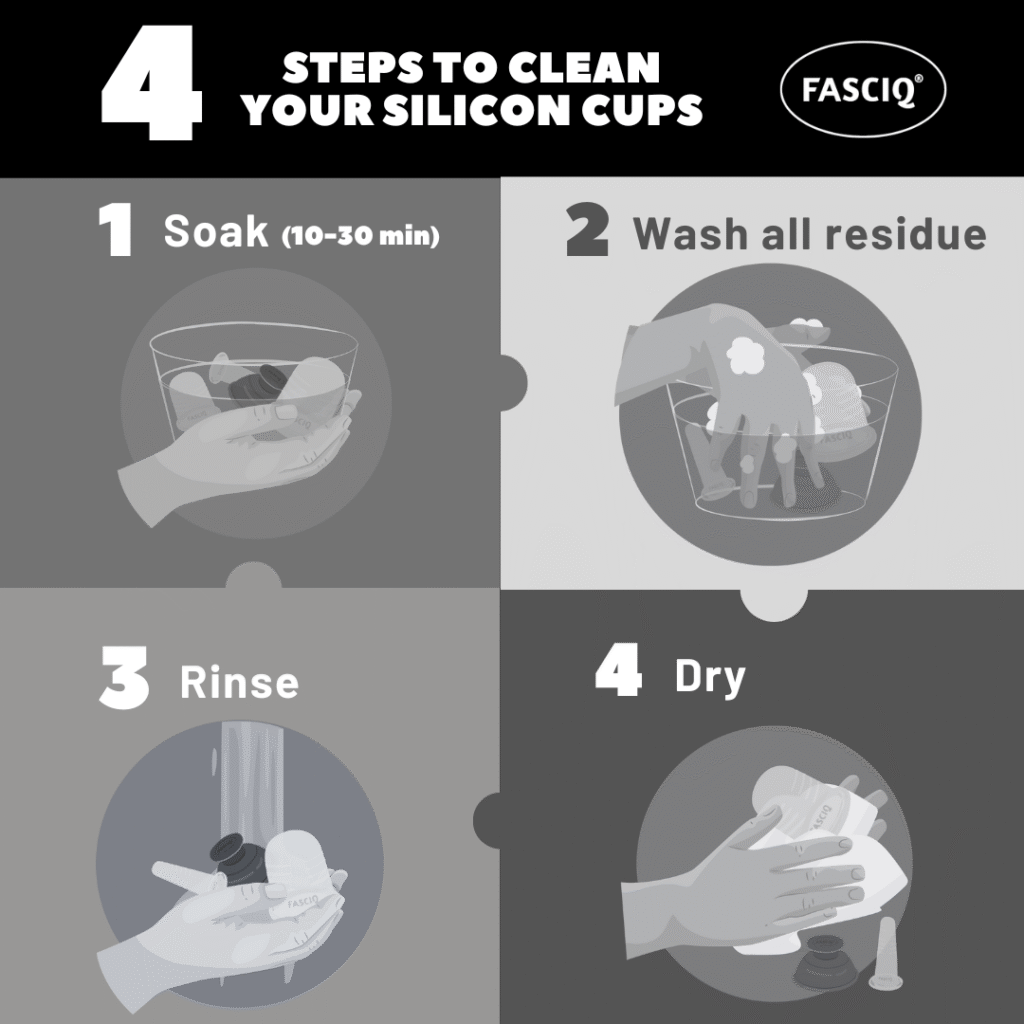
Follow these steps after each use:
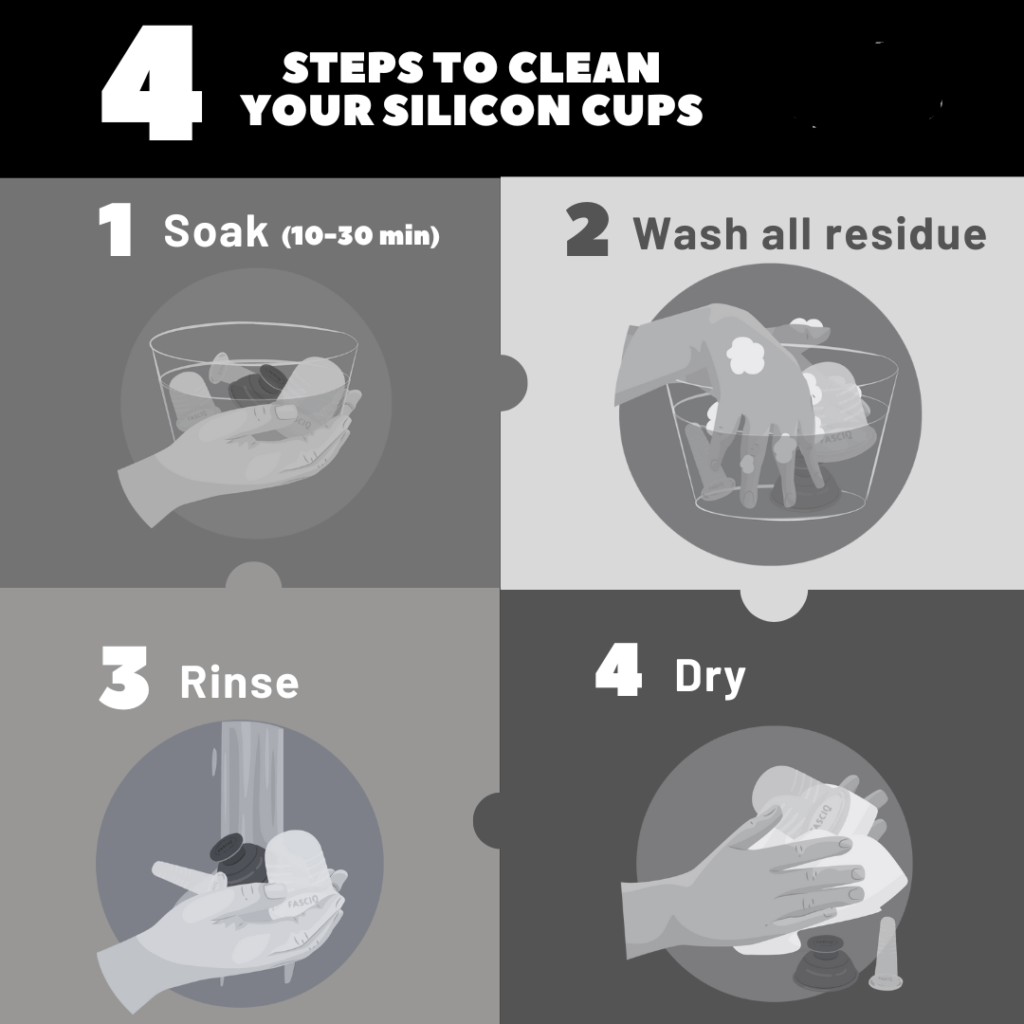
- Rinse with warm water
Use lukewarm water to remove any surface residue. Avoid extremely hot water if the device contains electronic components. - Apply mild antibacterial soap
Choose a gentle, fragrance-free soap or a specialized toy cleaner. Harsh chemicals can damage the silicone surface. - Gently scrub the surface
Use your fingers or a soft cloth to clean all grooves and textured areas. - Rinse thoroughly
Ensure no soap residue remains on the silicone surface. - Dry completely
Use a lint-free towel or allow the device to air dry in a clean environment. - Store in a dust-free pouch
Proper storage prevents contamination and preserves the silicone finish.
Why Proper Cleaning of Silicone Personal Massagers Matters
Maintaining proper hygiene is not only a user safety issue but also a key factor in product longevity and brand trust.
Key Benefits of Proper Cleaning
- Prevents bacterial buildup
- Extends product lifespan
- Maintains silicone elasticity
- Protects motor and electronic components
- Reduces risk of skin irritation
For retailers and brands, providing clear cleaning instructions can significantly reduce customer complaints and returns.
Safe Cleaning Methods vs Risky Cleaning Practices
Not all cleaning methods are suitable for silicone devices. The following comparison highlights the differences.
| Cleaning Method | Safety Level | Impact on Silicone | Recommended |
|---|---|---|---|
| Warm water + mild soap | Very safe | No material damage | ✔ Recommended |
| Toy cleaner spray | Safe | Designed for silicone | ✔ Recommended |
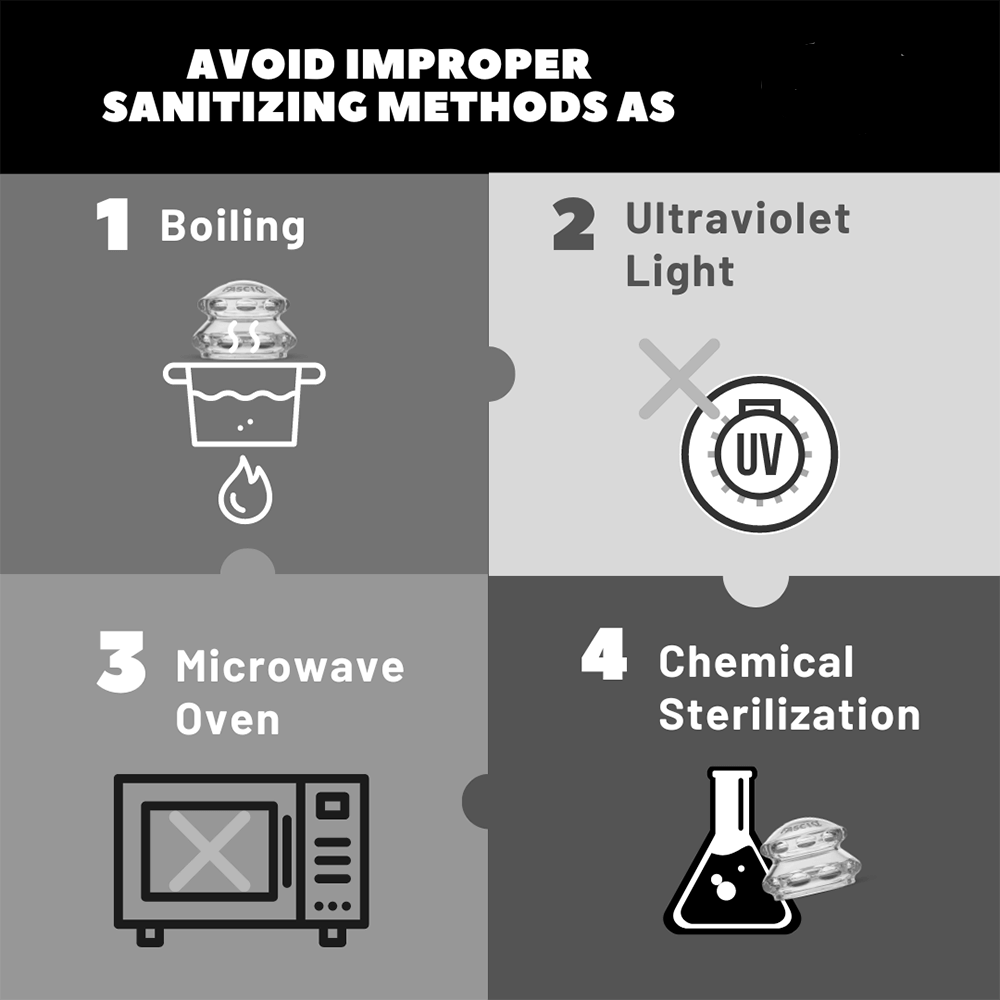
| Boiling water | Conditional | Safe for non-electric items only | ⚠ Limited use |
| Alcohol-based cleaner | Risky | Can dry silicone over time | ✖ Not recommended |
| Bleach solution | Dangerous | May degrade material | ✖ Avoid |
| Dishwasher cleaning | Risky | Heat may damage motors | ✖ Avoid |
For electronic massagers, waterproof rating (IPX level) must always be considered before deep cleaning.
Industry Standards for Silicone Safety
High-quality silicone personal massagers should meet recognized safety and compliance standards, such as:
- CE Certification (European market compliance)
- RoHS compliance (restriction of hazardous substances)
- Body-safe silicone testing
- Phthalate-free materials
Products that meet these standards are more resistant to degradation and easier to maintain hygienically.
Expert Advice – Cleaning Mistakes Most Users Make
Professionals in the adult wellness manufacturing industry often observe the same cleaning mistakes repeatedly.
1. Using Harsh Household Chemicals
Products like bleach or strong disinfectants can degrade silicone and cause surface damage.
2. Ignoring Charging Ports
Moisture entering charging ports is one of the most common causes of electronic failure.
Always ensure:
- The charging port is sealed
- The device is completely dry before charging
3. Storing Without Drying
Storing a damp device can encourage bacteria growth and damage the silicone finish.
Proper drying is as important as washing.
Storage Tips to Keep Silicone Personal Massagers Clean
Cleaning alone is not enough. Proper storage helps maintain hygiene between uses.
Recommended storage practices:
- Store in a breathable fabric pouch
- Avoid contact with other silicone products
- Keep away from extreme heat
- Place in a clean, dry drawer or case
These steps help preserve both the appearance and performance of the device.
Long-Term Maintenance for Silicone Devices
Regular cleaning combined with periodic maintenance improves durability.
Monthly Maintenance Checklist
- Inspect silicone surface for damage
- Check waterproof seals
- Clean charging contacts
- Verify vibration performance
Routine checks help detect issues early and extend product lifespan.
FAQ: Cleaning Silicone Personal Massagers
Q1: Can silicone personal massagers be boiled for sterilization?
Only non-electronic silicone items can be boiled. Electronic devices should never be submerged in boiling water.
Q2: How often should a silicone massager be cleaned?
It should be cleaned before and after each use to maintain proper hygiene.
Q3: Are specialized toy cleaners better than soap?
Toy cleaners are formulated specifically for silicone devices, but mild antibacterial soap is also effective.
Q4: Can alcohol wipes be used?
Occasional use is acceptable, but frequent use may dry out the silicone surface.
Q5: What is the safest material for personal massagers?
Medical-grade silicone is widely considered the safest and most hygienic material due to its non-porous nature.
Providing clear guidance on how to clean silicone personal massagers not only protects users but also strengthens customer trust in your brand. Proper care ensures that silicone devices remain hygienic, durable, and safe throughout their lifecycle.